


iTunes
4.728.00M Reviews
App Specs
- Version
- Varies with Device
- Updated On
- License
- Free
- Downloads
- 10,000,000,000+
- Developer
- Apple
- Categories
- Video Players & Editors
- Platform
- Android, iOS
Screenshots
 Analysis by AppCompare
When I think of iTunes, its most useful idea is not simply having media nearby; it is bringing music and videos together in one familiar place. That makes it easier to move between choosing something to play and keeping track of what I have bought. The app is free, made by Apple, and sits in the video-player and editing category, although its role is closer to a classic media library than an editing tool. For me, its central strength is organization: it helps make a personal collection feel less scattered.
Your Personal Entertainment Hub
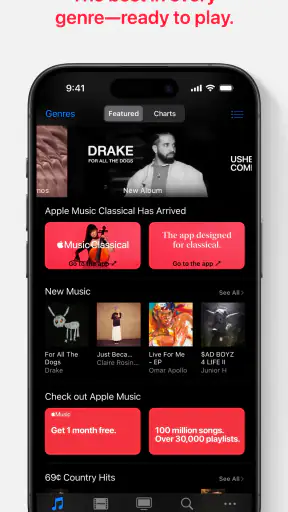
iTunes is not just about music; it’s a full-fledged entertainment platform. When I first opened the app, I was greeted by a sleek interface that was super easy to navigate. It’s like walking into a well-organized store where everything you need is right there in front of you.
From top charts to personalized playlists, the app tailors recommendations based on your listening habits. I found this feature pretty neat because it introduced me to new artists and genres I wouldn’t have discovered otherwise. Plus, the integration with Apple Music means you can stream countless songs on demand. It's like having the world’s biggest jukebox in your pocket!
Guides and Analysis on iTunes
Keeping a collection useful
The practical difference between a media hub and a folder full of files is the way it connects discovery with playback. I can browse, choose a title, and return to something I already own without treating those as separate jobs. That is especially handy when I want a familiar album for a commute but also feel like looking for something new before I leave.
One small habit makes a library easier to use: I try to settle on a simple organizing approach early, rather than adding items and hoping I will remember where they went. When a collection grows, consistent names and clear playlists save more time than constantly searching. This is not a dramatic feature, but it is the difference between a library that feels personal and one that becomes a pile.
Recommendations can be useful, but I treat them as suggestions rather than a replacement for my own choices. If I am in the mood to explore, they give me a low-effort starting point; if I already know what I want, browsing my own collection is faster. That balance suits people who enjoy discovery without wanting every listening session directed by an algorithm.
Movies, TV Shows, and More
Aside from music, iTunes offers a vast selection of movies and TV shows. I was impressed by the breadth of content available — whether you're into the latest blockbusters or classic cinema, there's something for everyone. You can either rent or purchase titles, and the quality is superb. Watching a movie on your device feels almost like you're in a mini theater.
Worth Reading Before You Choose

Basketball Stars: Multiplayer Is Fast, but Can It Recover When Matches Go Wrong?

WEBTOON Turns Phone Updates Into a Better Reading Routine

Link to Windows Runs on Shared Habits, Not Social Feeds

How Alibaba.com Dominates the B2B Marketplace

Metro's Quiet Rise: Redefining Mobile Communication

Harnessing Ecosystem Power with Phone Tracker by Number
Another cool feature is the ability to download content for offline viewing. It's a lifesaver for those long flights or when you’re stuck without Wi-Fi. Just make sure you have enough storage space!
Offline viewing is most useful when I prepare before leaving, not when I am already waiting at a station with a weak connection. I would choose the title in advance, check that the download has finished, and then avoid relying on a network during the trip. The trade-off is straightforward: downloaded video takes room, so I would remove something I have finished before saving several long films on a device with limited free space.
That makes the app a sensible option for a specific kind of travel planning: choose a film at home, keep it available, and use the journey for watching rather than troubleshooting connectivity. For a quick clip or a video I do not need to keep, a streaming service or a local player may be more convenient. iTunes earns its place when I want a title connected to a library I can return to, rather than a temporary stream I will forget.
A realistic day with the app
Imagine I am getting ready for a long train ride. I can choose music for the walk to the station, then pick a film for the portion of the trip when I want to sit back. Before leaving, I make sure the video is saved for offline use and that I have enough room for it. That simple sequence—choose, organize, download, and play—is where the app’s combined approach feels most practical.
It also helps with the small transitions in a day. I might start with music while doing chores, switch to a video during a break, and later return to a saved favorite without needing to remember which separate app or service I used. I would not call that a reason to abandon specialized services, but it is a real convenience if I prefer a single familiar place for the media I manage.
Books and Podcasts Galore
If you’re a bookworm or podcast enthusiast, iTunes has you covered. The app offers a decent collection of audiobooks and podcasts. I spent hours diving into various podcasts, from true crime to comedy, and it felt like having a library on the go. The audiobook selection is equally impressive, and it’s perfect for those who prefer listening to reading.
Browsing through the bookstore is a breeze, and purchasing a new title is just a tap away. It’s a great way to discover new authors or catch up on your reading list.
For someone deciding whether to make this a daily listening app, I would start with the simplest test: can I find the show or audiobook I actually want, and does keeping those choices together make my routine easier? A broad library is only useful when its organization fits the way I listen. If I follow a handful of regular podcasts, I care more about quickly returning to them than having a huge catalogue to browse.
The same goes for audiobooks: they suit walks, chores, and other times when reading a screen is inconvenient, but they are not a substitute for every reader’s preferred format. I would use this part of the experience when I want spoken content alongside music and video. If my main need is a dedicated podcast workflow or a specialist reading app, a focused alternative may offer a more direct experience.
Where it fits among alternatives
Compared with a streaming-first music app, iTunes feels more centered on managing and playing a personal media collection. A streaming service can be the better choice when I want broad on-demand listening without thinking about what I own; this hub makes more sense when I value buying, organizing, and returning to selected music and video. The distinction matters: I would choose based on whether I want a service to supply the listening experience or a place to manage media I have chosen.
For video, a dedicated streaming app may be quicker if I only want to browse a service’s catalogue and press play. A general-purpose media player may be preferable when my files are already stored locally and I just need playback. iTunes has a different appeal: it combines a collection-oriented approach with ways to discover and play media, so I find it most useful when those tasks belong together.
There is a practical limit to that all-in-one convenience. A single hub can feel less focused than an app built around just music, just films, or just podcasts. I would not recommend choosing it only because it appears to cover several kinds of entertainment; the better question is whether I will actually use those parts and appreciate having them close together.
Who gets the most from it
I think iTunes makes the most sense for someone who likes having a curated collection, wants music and video in one place, and is comfortable spending a little time keeping that collection orderly. It can also suit a household routine where people already know what they want to play and value returning to familiar purchases. Apple is the developer, and the app has a 4.7 average from around 130 million ratings, a sign that many users have found a reason to keep it in their media routine.
On the other hand, I would skip it if I only want the simplest possible way to stream whatever is popular right now, or if I prefer a specialist app for every media type. People who rarely revisit saved content may not benefit much from organizing a library. And if device storage is tight, downloading video for offline use requires a little planning rather than a carefree habit.
The app is free and rated for Everyone, which makes trying it less of a commitment. Its reach is enormous, with over 10 billion installs, but scale alone does not make it right for every listener. I would judge it by whether its collection-based approach fits my habits, not by how many people have installed it.
Final Thoughts
Overall, iTunes is an incredibly versatile app that caters to all your entertainment needs. Whether you’re a music lover, a movie buff, or a podcast addict, there’s something here for you. The user-friendly interface and extensive library make it a must-have for anyone looking to access a wide range of media content effortlessly.
If you haven’t tried it yet, I highly recommend giving iTunes a spin. Who knows? You might just find your next favorite song or movie waiting for you!
Pros
- Extensive music library available.
- Seamless sync across Apple devices.
- High-quality audio streaming.
- User-friendly interface design.
- Wide range of curated playlists.
Cons
- Limited compatibility with non-Apple devices.
- Subscription cost may be high for some.
- Occasional app crashes reported.
- Requires significant storage space.
- Complex account management settings.
FAQs for iTunes
What is iTunes and how can I use it?
iTunes is a multimedia management software developed by Apple. It allows users to purchase, download, and organize digital music and videos on PCs and Macs. Additionally, iTunes can synchronize content to Apple devices like iPhones and iPads. You can use it to back up your data and manage your device's apps and settings.
Is iTunes available for Windows users?
Yes, iTunes is available for Windows users. You can download it directly from the Apple website. It provides the same functionalities as the macOS version, allowing Windows users to manage their music, videos, and Apple device content efficiently.
Can I use iTunes to back up my iPhone?
Absolutely! iTunes allows you to back up your iPhone data, including contacts, photos, and app data. Connect your iPhone to your computer, open iTunes, and select your device to initiate a backup. This ensures your data is safe and can be restored if needed.
Are there any costs associated with using iTunes?
Downloading and using iTunes is free. However, purchasing music, movies, and other media from the iTunes Store involves costs. Prices vary depending on the content. Additionally, subscriptions like Apple Music, which integrates with iTunes, incur monthly fees.
How do I transfer music from iTunes to my iPhone?
To transfer music from iTunes to your iPhone, connect your device to your computer. Open iTunes and select your iPhone icon. Navigate to the 'Music' tab and choose the playlists, artists, or albums you wish to sync. Then click 'Apply' to transfer the selected music to your iPhone.


